

 Start Read
Recommend

individual pages where it demonstrates what the children love to do - i like to walk to build sandcastles in the sandpit

Maria loved playing with her dolls, but she didn't like tidying up after herself. One day,her room got so messy that her dolls "complained" they couldn't "sleep". Maria quickly cleaned up her room and realized how much nicer it looked.

Bella enjoys her life as an only child living with mom and dad. She does not want things to change. With a new sibling on the way, Bella becomes very upset and worried mom and dad will forget about her. As predicted, when her new sibling arrives, he receives all of the attention from everyone. However, to Bella's surprise, her new sibling comforts her in a time of distress. She then begins to realize the importance of family.

1. lived with her parents in a small cottage, 2. surrounded by a nearby forest, 3. many valleys and green pastures. 4. large vegetable and flower garden in the backyard of their home. 5. cows and horses that lived on the green pasture close by. 6. Esmarelda loved to play in the backyard. 7. Her favorite game was playing make-believe with the plants from her mother’s garden. 8. Esmarelda would imagine that she was the mom and the flowers were her children. 9. she would pretend to prepare a fabulous dinner along with her special lemonade, and they would all sit down together and eat as one big happy family. 10. nap time always came after a good meal, 11. Esmarelda would tell stories to the garden flowers.

Hudson is a young yorkiepoo, male, tan, fun, loving, protective dog on his first airplane flight.
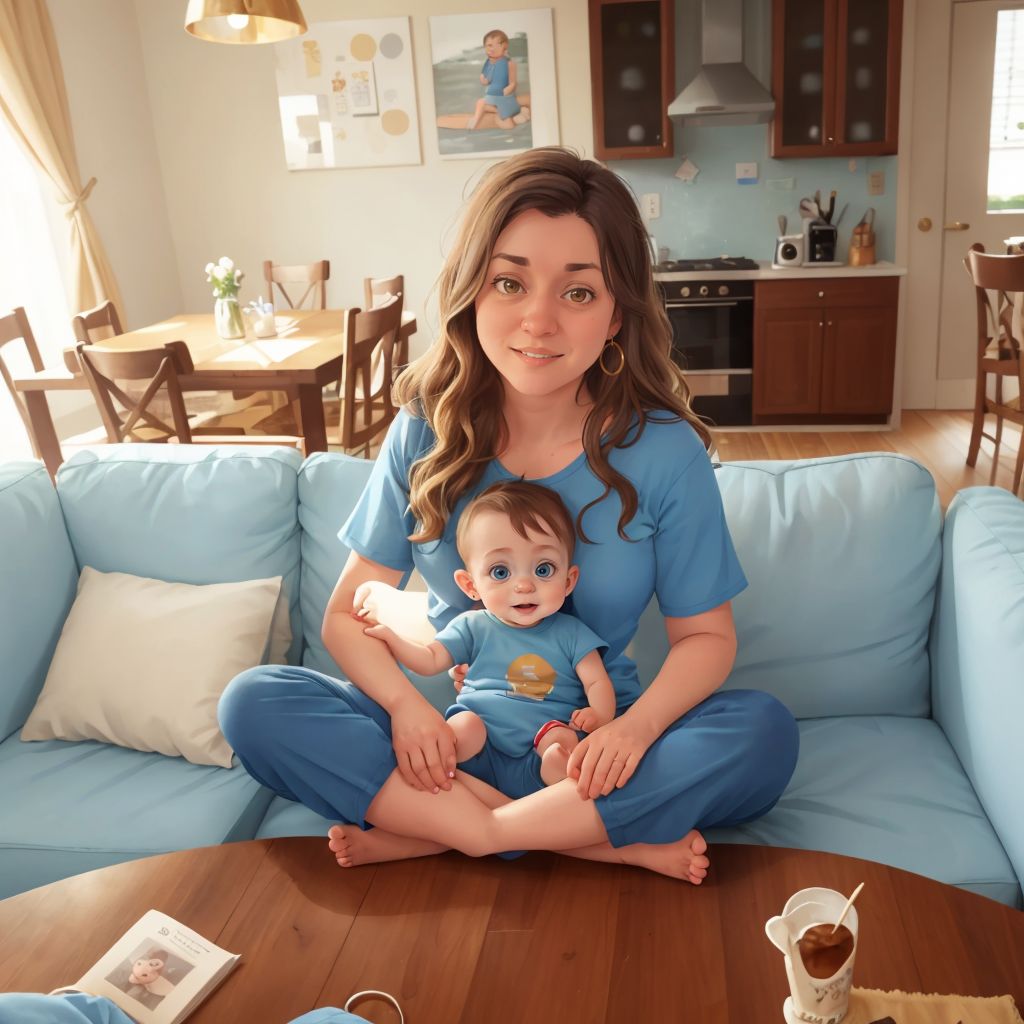
Mother is explaining family history to her small baby son. She tells him that she grew up spending time with her grandma and grandpa Gross. She has many special memories with them. Grandma Gross, Darlene, grew up in Sauk Rapids, Minnesota. She had 2 sisters, she liked to roller skate, she liked to write, and . Her Grandpa Gross, James, grew up in Lastrup, Minnesota. He had 2 brothers and 2 sisters, he helped out at his father's grocery store, could fix just about anything, and joined the Navy. Darlene and Jim met at the Falls Ballroom and fell in love. They married September 1st, 1956 and went on to have 4 daughters. As a family, Grandma and Grandpa and the 4 girls traveled, went camping, visited grandparents, and had family dinners together. Eventually the 4 daughters grew up and had their own kids and mama was born. Mama spent time with her grandparents at their Camper at Camp Holiday, and had Christmas, holidays, and birthday celebrations with the entire family. Grandma and mama were very close. Mama has the wedding ring that grandpa presented to grandma all those years ago in 1956. Grandma and Grandpa are buried at Fort Snelling.

Stori about a character called to be and TGE story is about how to learn about verb to be in a different way to engage children

An Easter adventure filled with hidden surprises, new friends, and a little bit of magic.

Donny is a young boy attending the vibrant Oakley Elementary School, where he learns about the wonders of the world. Despite his love for exploring and learning, Donny struggles with Oppositional Defiant Disorder (ODD), finding it difficult to manage his emotions and follow the rules in class. One day, Donny had a really big emotion and started to throw chairs in the classroom. With the guidance of his teacher, Ms. Young and his understanding classmates, Donny navigates his day-to-day challenges, discovering ways to regulate his emotions and make sense of the social world around him. The story celebrates Donny’s bravery and determination to keep trying, using calming strategies and growing connections.

A young boy in school who does not know how to regulate himself. When some one upsets him, he gets angry. His face goes red and he looks angry. One day his best friend does not want to play with him anymore and he gets angry and starts to hit the class room walls. A teacher sees this shoes his meditation techniques to calm down and he begins to breathe in and out and learns to regulate his emotions.

1. A little girl lives in a house in the middle of the forest. 2. in the evening she goes up to the attic. 3. There she meets and gets to know the little brownie.

Once upon a time, in a sunny farm, there lived a little cow named Mu Mu. Mu Mu was no ordinary cow; she had a special boat that carried all her emotions. Whenever she felt happy, sad, scared, or angry, she would sail in her magical boat across the shimmering pond in the farm.

1. A 2 year old boy who has speech delay but is very smart,has good comprehension skills, talks thru gestures and has infectious smile. 2.The little boy loves to dance to jolly music. 3 He likes to waterplants, go on scooter rides with his big bro and play with his neighbor.

Morgan and Grandma read a Magic storybook which brings them to Kathmandu Nepal

Princess Aria was born in the kingdom of Atlantis in a future where environmental shifts drastically changed the world; she was raised with a deep love for the oceans and their mysteries. Her adventures began when she discovered a hidden chamber within the palace containing ancient texts and artifacts revealing a long-forgotten underwater world. Intrigued and determined to uncover the truth, Aria embarked on a perilous journey with her loyal marine companion, a sentient dolphin named Delphino. As she delved deeper into the ocean's depths, Aria encountered the wonders of the underwater world and the challenges it posed. She navigated treacherous coral reefs, befriended majestic sea creatures, and even faced a group of pirates who sought to exploit the ocean's resources. Along the way, Aria's connection to the oceans grew stronger, and she discovered her ability to communicate with aquatic life, forging powerful alliances.

This is Peddy, and she is excited for her first day of school. Peddy kissed her mom and dad goodbye and walked out the door. As she happily sang, she made sure to walk on the side of the road where she could see approaching vehicles. On her way, Peddy saw Ian using his phone while walking and gasped, "Oh no!" She quickly approached Ian and said, "Good morning, Ian! Don’t use your phone while walking; it’s dangerous." Ian quickly put his phone away. "Oh, hi! Thank you for telling me, Peddy. Come on, let’s walk together!" As they continued walking, Peddy noticed white lines painted across the road. "Ian, we should walk on the pedestrian lane. Pedestrian lanes are designed to help us cross the road safely." They were about to cross when Peddy saw a traffic light ahead with three different colors. She stopped at the sidewalk. Ian looked at Peddy in confusion. "Why did you stop, Peddy? Come on! There are no cars anymore; we can cross the road." Peddy shook her head. "No, Ian. The traffic light is green, which means vehicles can go. Red means stop, and yellow means slow down." Ian then noticed the pedestrian signal. "Does the hand palm sign mean we should wait and not cross yet?" Peddy nodded. "Yes! And look, now the walking man signal has lit up. That means we can cross safely. That’s a pedestrian signal!" Ian was about to step forward, but Peddy stopped him again. "Before crossing, we should always follow the Stop, Look, and Listen rule. Stop before stepping onto the road. Look for approaching vehicles. Sometimes you can’t see them, so listen carefully for any nearby cars. If it’s all clear, then we can cross." Ian nodded, understanding the safety rules. Finally, Peddy and Ian walked across the pedestrian lane safely. They greeted the school guard happily, feeling secure and ready for their first day of school.

"The Adventures of Ginger, the Brave Gingerbread Man" - A heartwarming tale of friendship, bravery, and the sweetest journey through a magical world of sugary delights. Perfect for young children who love a sprinkle of magic in their bedtime stories.

Mira loved the olive tree. It stood tall and strong in front of their home in the small village on the hill, in Palestine's West Bank. She and her brother Omar played under its branches every afternoon, challenging each other to races and playing Gulla or Ghummedah.

The Happy Frog and the Sad Parrot is a heartwarming tale about friendship and understanding emotions. In this story, Freddy the Frog is always smiling, hopping around his pond with boundless joy. He loves making splashes, catching flies, and singing cheerful songs. Meanwhile, Polly the Parrot sits alone in her tree, her colorful feathers drooping as she watches the other animals play. When Freddy notices Polly looking sad, he decides to hop over and introduce himself. At first, Polly doesn't want to talk, but Freddy's kindness slowly breaks through her shell. Polly reveals that she feels different from the other birds because she can only repeat what others say, making it hard to make friends. Freddy shows Polly that being different is special, and together they discover that Polly's ability to mimic sounds can bring joy to the forest animals. Through their friendship, Polly learns to appreciate her unique talents, while Freddy discovers that sometimes friends need patience and understanding more than just cheerfulness. By the end of the story, the once-sad parrot finds her own happiness, and both animals learn that sharing feelings—whether happy or sad—is an important part of friendship124. The colorful illustrations show how Polly's feathers gradually become brighter as her confidence grows, providing a visual representation of emotional growth that young readers will understand and relate to5.

Happiness Expression: Smiling, laughter, relaxed body posture, bright eyes. Feeling: A sense of joy, contentment, or pleasure. It can be triggered by positive experiences, achievements, or connections with others. Sadness Expression: Frowning, tears, slumped posture, soft or downcast voice. Feeling: A response to loss, disappointment, or frustration. It may also arise from empathy for others' struggles or personal challenges. Anger Expression: Furrowed brows, clenched fists, tense body, raised voice. Feeling: Often triggered by perceived injustice, frustration, or threat. It may be an outward expression of frustration or desire to change a situation. Fear Expression: Wide eyes, tense body, quickened breathing, freezing or retreating actions. Feeling: A natural response to perceived danger or threat. Fear often activates the body’s fight-or-flight response. Surprise Expression: Raised eyebrows, open mouth, wide eyes, sometimes a gasp. Feeling: Can be a reaction to unexpected events, whether positive or negative. It often involves a brief, intense reaction before other emotions settle in. Disgust Expression: Wrinkled nose, curled lip, squinting eyes, pulling away from the object of disgust. Feeling: Often an automatic reaction to unpleasant tastes, smells, or things perceived as gross or morally offensive. Love Expression: Warm, gentle eyes, soft smile, close proximity, affection in touch (hugs, holding hands). Feeling: A complex and deep connection to another person or entity, characterized by care, trust, and emotional bonding. Excitement Expression: Wide grin, bouncing or jumping, rapid speech, energetic gestures. Feeling: A heightened state of anticipation or joy, often tied to upcoming events or achievements. Humans express emotions in varied ways, depending on cultural norms, personal preferences, and social contexts. Emotions also blend together in complex ways, creating nuanced expressions that might not fit neatly into one category.