

 Start Read
Recommend
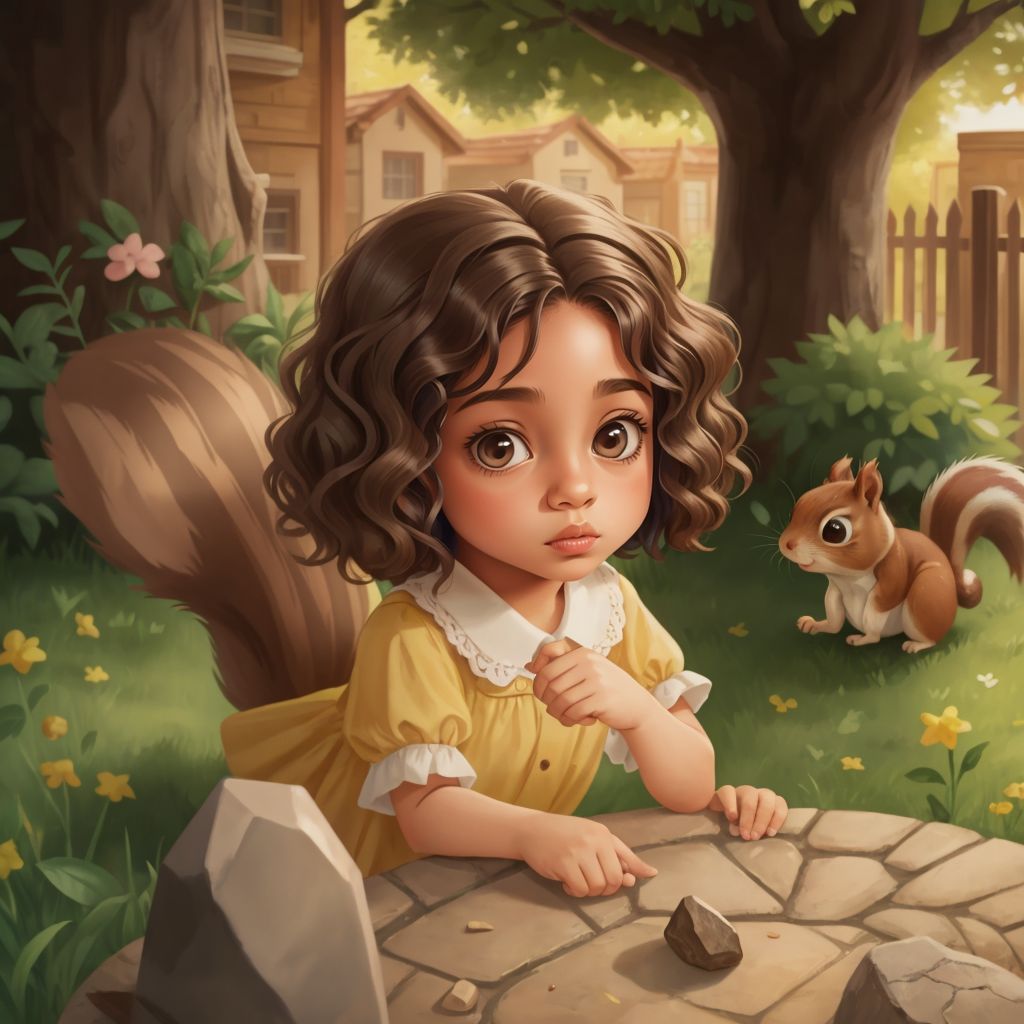
Join Melanie on her enchanting journey through a magical neighborhood where she unravels secrets with the help of her newfound ability to talk to animals. With mystery, adventure, and glowing messages, every page will leave you spellbound!
Brightness Stardust is a fearless explorer who travels through out our universe finding exciting things to educate children about.

In 2040, Brock, Jack, and the mysterious Zack journey to the moon to retrieve an alien egg. They discover an army of alien eggs threatening Earth and race to destroy them. After a thrilling escape, they realize one egg escaped and hatches on Earth, causing widespread destruction. Desperate to save the planet, Brock and Jack embark on a new adventure: traveling back in time. Their future holds dinosaurs, scientists, artists, and even a mummy! Can they prevent alien domination and rewrite history? Find out in "The Adventures of Brock and Jack: Back in Time."
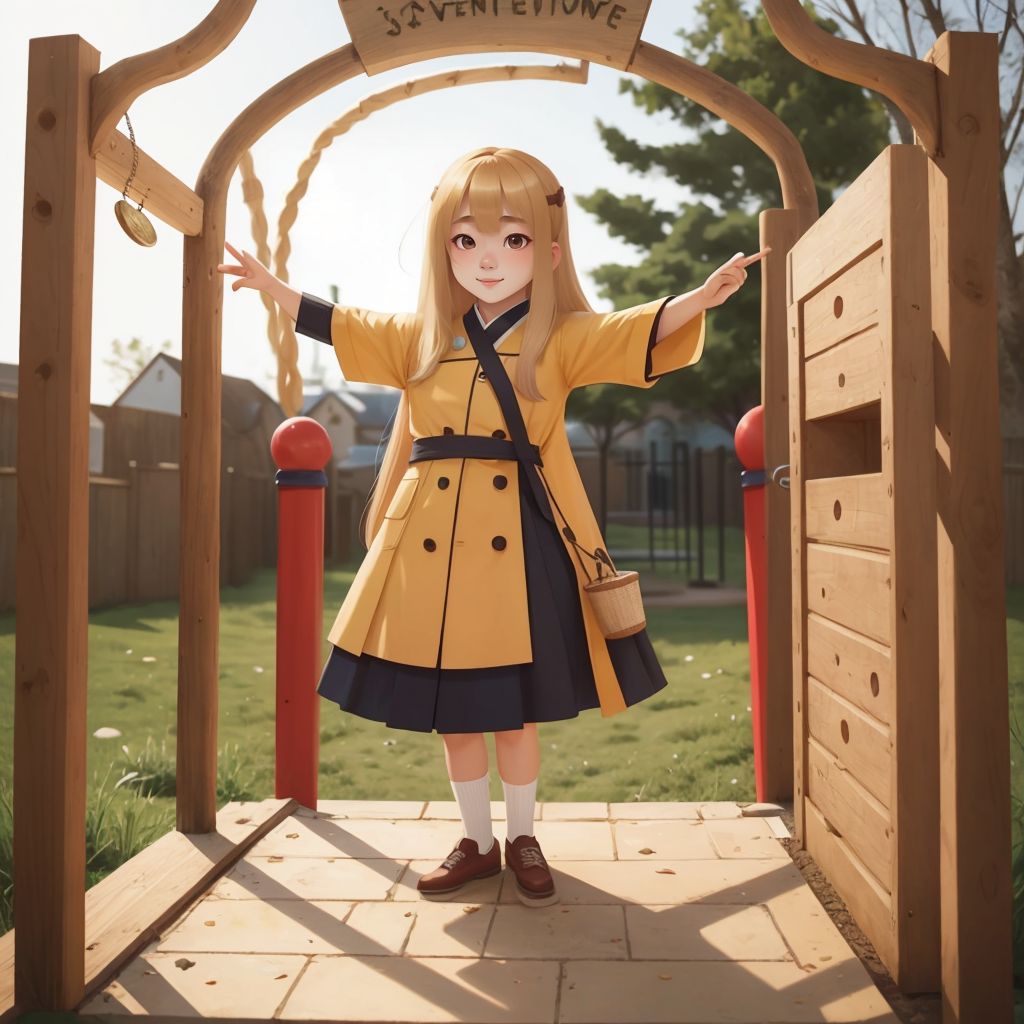
Liz, Ann, Shawn, Billy, Marc, and David are all excited about the Halloween community Adventure taking place on the 31st at Shake a Coin Adventure Playground located in Hackney
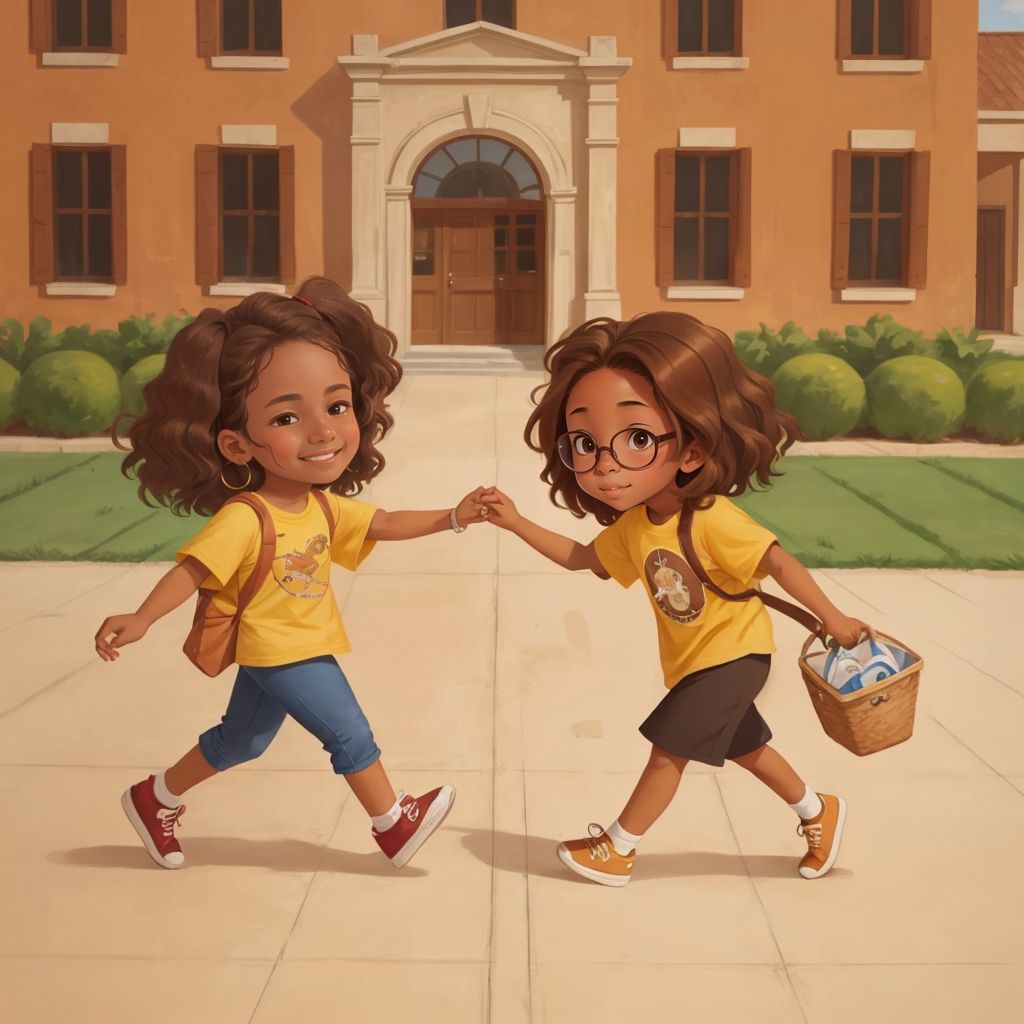
a self-love book where different types of children are happy
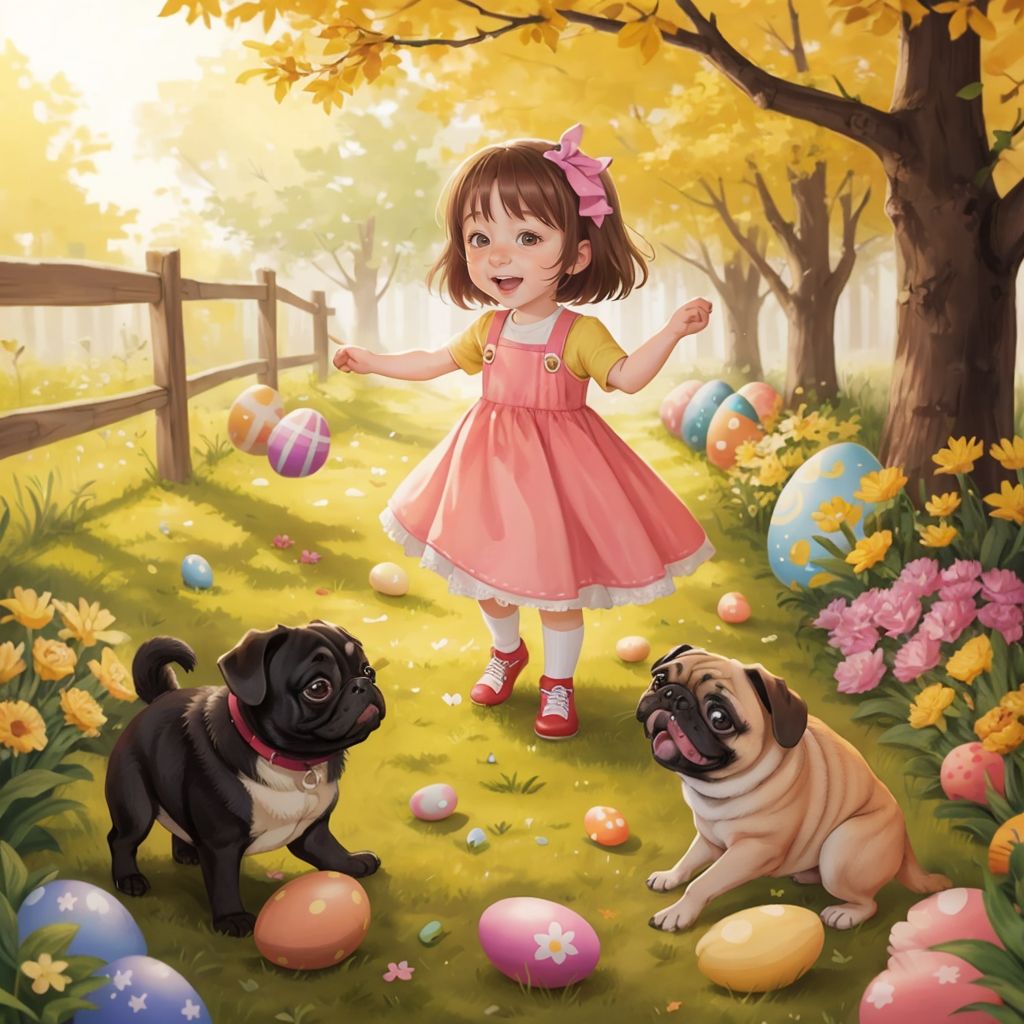
An Easter adventure filled with hidden surprises, new friends, and a little bit of magic.

Elara: Kael, we can’t just sit here. Every moment we wait, they tighten their grip on the city. Kael: (not looking up) I know, Elara, but rushing out there without a plan is exactly what they expect us to do. We need to be smart about this. Elara: (stops pacing, frustrated) Smart? Kael, I have memories in my head that could dismantle their entire operation. How long do you think it’ll be before they track us down? Kael: (pauses, then looks at Elara) That’s exactly why we need a solid plan. We use the memories as leverage. We don’t just throw them out into the world and hope for the best. Elara: (sighs) Leverage… You talk like we’re negotiating a trade. This isn’t about deals, it’s about exposing the truth. People deserve to know.

Once upon a time in a small village, there lived a boy named Ben. Ben loved sweets—candy, cookies, and chocolates were his favorite. But one day, Ben fell ill, and the doctor told his mother, "Ben must not eat any sweets. They will make his condition worse." His mother, though sad for Ben, promised to keep him safe. She kept the sweets away and prepared delicious, healthy meals to help him get better. But Ben, unable to resist his cravings, began sneaking sweets when his mother wasn't looking. Each time, he told himself, "Just one won't hurt." And when his mother asked if he had eaten any sweets, Ben would shake his head and say, "No, Mama." Days turned into weeks, and Ben's condition didn't improve. He grew weaker and weaker. One day, as he lay in bed feeling worse than ever, he finally admitted to his mother, "Mama, I've been eating sweets and lying about it. I'm sorry." His mother hugged him tightly, her eyes filled with tears. "Oh, Ben," she said gently, "I only asked you to avoid sweets because I love you and want you to get better. Lying only kept me from helping you." From that day on, Ben decided to listen to his mother and the doctor. Slowly but surely, he began to feel better. Though he missed sweets, he realized that his health and honesty were far more important.

There is a competition between different heavy machinery trucks. Bulldozer says without me you won't have any street. Crane says without me you can't lift heavy stuff. Excavator says without me you can't dig holes. Cement mixer says without me you won't have cement to build houses. Finally dumpster truck says without me it will be stinky all around. Everybody agrees. Garbage truck is the most important truck. Because

A unique story created from scratch.

Dimi and Baby are having fun, playing with a ball or building something together. Dimi and Baby are waving goodbye to their friend Sam, who is offering a big hug. Baby smiles and gives Sam a high-five instead of a hug, showing her own choice. Baby’s teacher asks for a kiss on the cheek, and Baby politely declines with a smile. Dimi asks Baby why she didn’t hug or kiss, and Baby explains confidently. Baby shares with Dimi that it’s her choice to say “No” or to wait, feeling happy and sure. Dimi thinks about Baby’s choice and understands that it’s okay to make his own choices too. Dimi and Baby play together, laughing and enjoying each other’s company. Dimi and Baby learn and smile, realizing that it’s important to respect personal choices. Dimi and Baby have a conversation about their feelings and choices, showing mutual understanding. Dimi and Baby are playing at the park, showing their happiness and freedom. Dimi and Baby celebrate their day, feeling happy and proud of their choices.

A city of bacteria’s and the daily likes they live
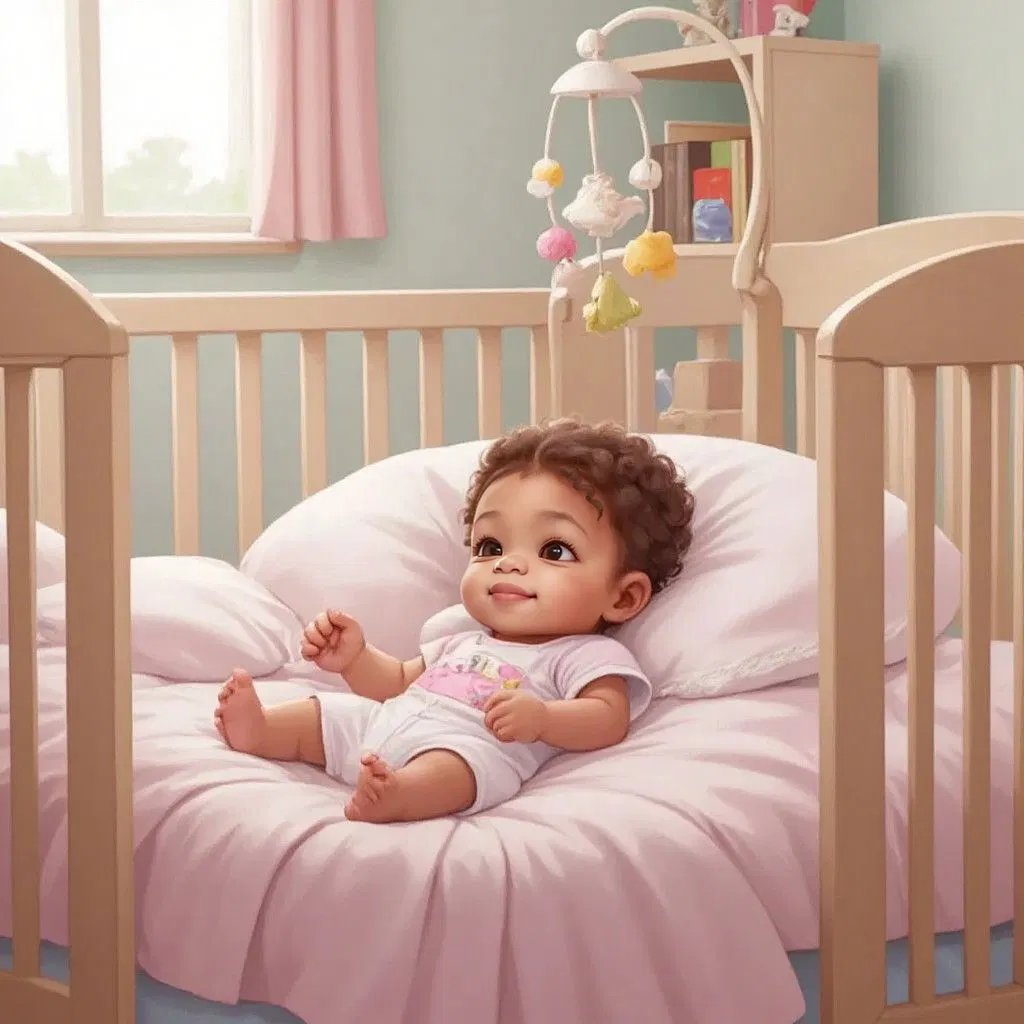
A half black, half white toddler girl named Capri suffers from plagiocephaly, where she has a head that's not as round as it should be. Her parents decide to get her a cranial band, or helmet, to help "fix her flat." People are not well educated on why babies and toddlers need cranial helmets and this makes people feel insecure about cranial helmets. Capri shows adults that her cranial helmet makes her a superhero, and this gives her and the adults more confidence.

1. One day, Cici, Kiki and Lulu were playing together in a peaceful forest. They talked and laughed together. They also encouraged each other. 2. The next day, Cici, Lulu , and Kiki gathered together as usual. However, when they were walking together, suddenly Kiki felt very weak and her steps felt slower and heavier. So Kiki was left behind by Cici and Lulu. 3. Cici and Lulu just realized that Kiki was not with them. They called Kiki but there was no answer. Finally they went back to look for Kiki and they found Kiki silent because her body was weak. 4. Cici and Lulu were worried about Kiki. It turned out that they realized that Kiki was sick. They helped Kiki to get better, even though they were the ones who looked for food for Kiki. They were always there for Kiki and looked after her. 5. Apparently, Kiki was sick for 2 days. And during that time, Cici and Lulu did not leave Kiki. On the third day, Kiki had recovered. Kiki had started to walk normally and laugh. 6. Kiki feels grateful to have two loyal friends who are with her and take care of her during her illness. Kiki is also grateful to Cici and Lulu. Now, Kiki realizes that true friends never leave

pete is very pitful he walk around with his head hanging down always havinga frown sad and glomy he is .Not a smile in site . Until one day the side walk speaks to himand says pick up your head pete yoiur not pitiful .smile and be glad you have no reasons to be sad . Life is beautifuil look all around cnat you see the people walkig all over me and i still find time to smile

Félix, un petit chat différent des autres, adorait faire des acrobaties et des pirouettes. Au lieu de chasser les souris, il passait son temps à grimper aux arbres et à sauter d’une branche à l’autre. Un jour, il décida de participer au grand Cirque des Animaux. Malgré une glissade sur une peau de banane, Félix devint la star du cirque grâce à ses talents acrobatiques. Il fit rire petits et grands avec ses pirouettes maladroites.
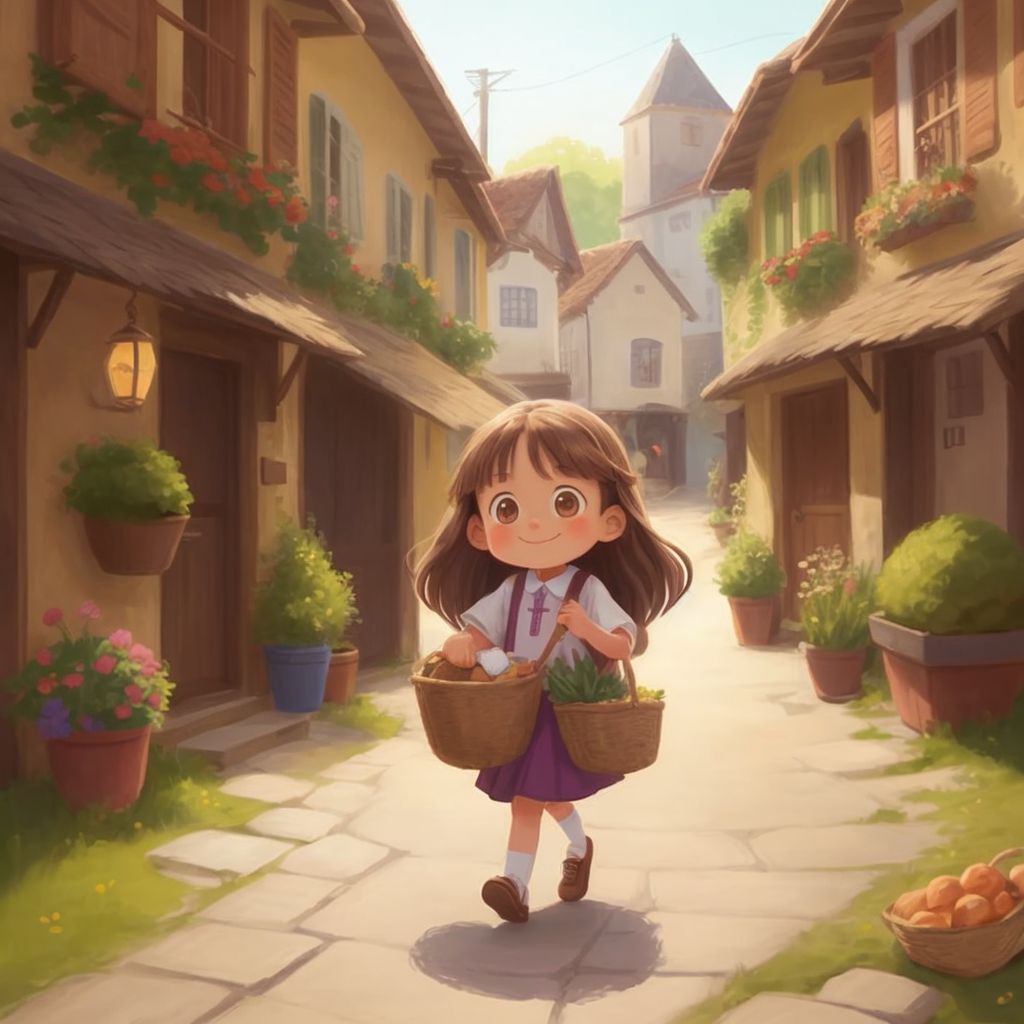
Chara lives in the village with her family and her friends, She always happy and cheerful and like to help other people, that make everyone in village love her.
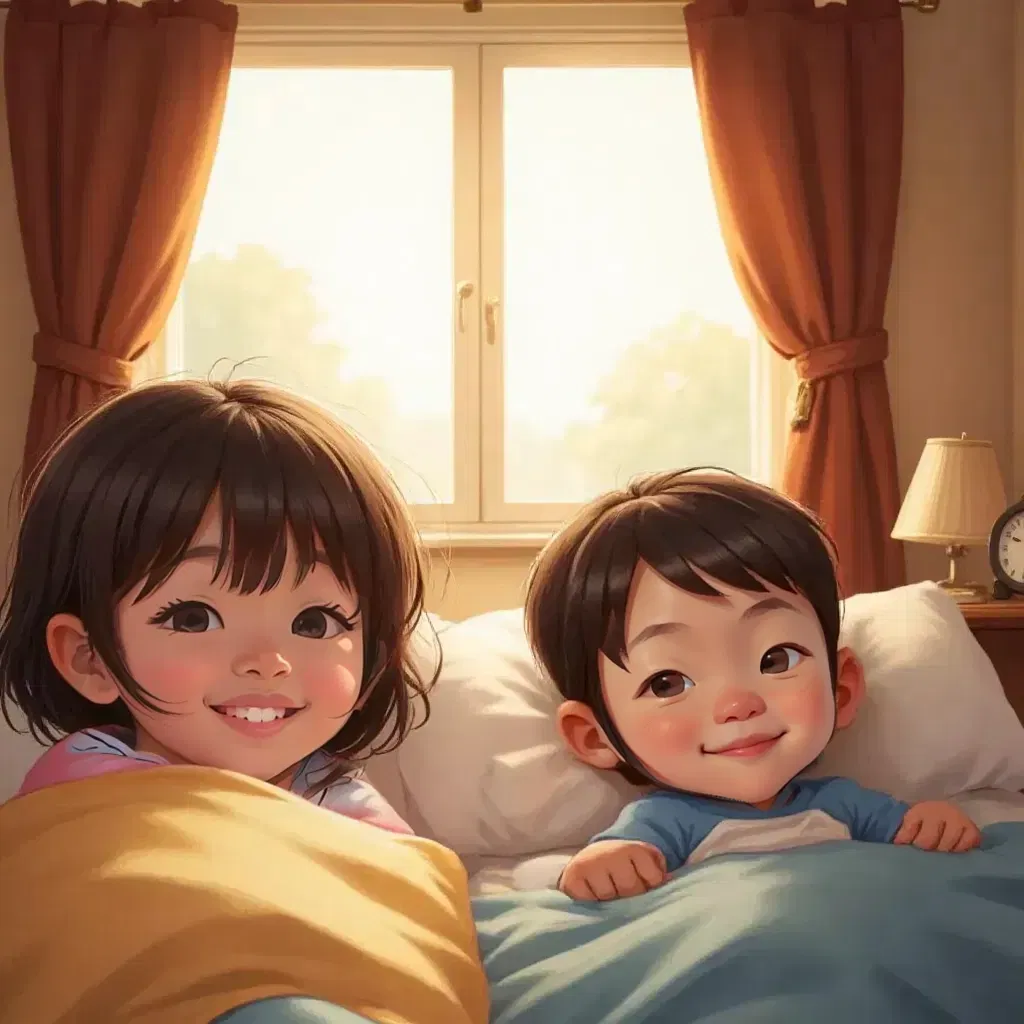
The Eucharist can be introduced to young children as a special meal where Jesus is present. It is important to explain that during Mass, we gather as a family to share in a meal that Jesus gave us. This meal is not just any meal; it is a sacred moment where we remember Jesus and feel His love for us. By framing the Eucharist as a loving gift from Jesus, children can begin to grasp its significance in a way that resonates with their experiences[^1][^2]. Key Concepts for Understanding the Eucharist 2. Real Presence of Jesus: Children should understand that in the Eucharist, Jesus is truly present. This can be explained simply: "When we eat the bread and drink the wine at Mass, we believe that Jesus is really with us." This foundational belief helps children appreciate the mystery of the Eucharist[^1][^3]. 4. Sharing and Community: Emphasizing the communal aspect of the Eucharist is essential. Children can be taught that the Eucharist is a time when everyone comes together to share God's love. They can learn that just like sharing food with family and friends, the Eucharist is about sharing love and kindness with everyone in the Church community[^2][^4]. 6. Love and Gratitude: Teaching children to express love and gratitude is vital. They can be encouraged to say thank you to Jesus for the gift of the Eucharist. This can be done through simple prayers or actions, helping them understand the importance of being thankful for God's gifts
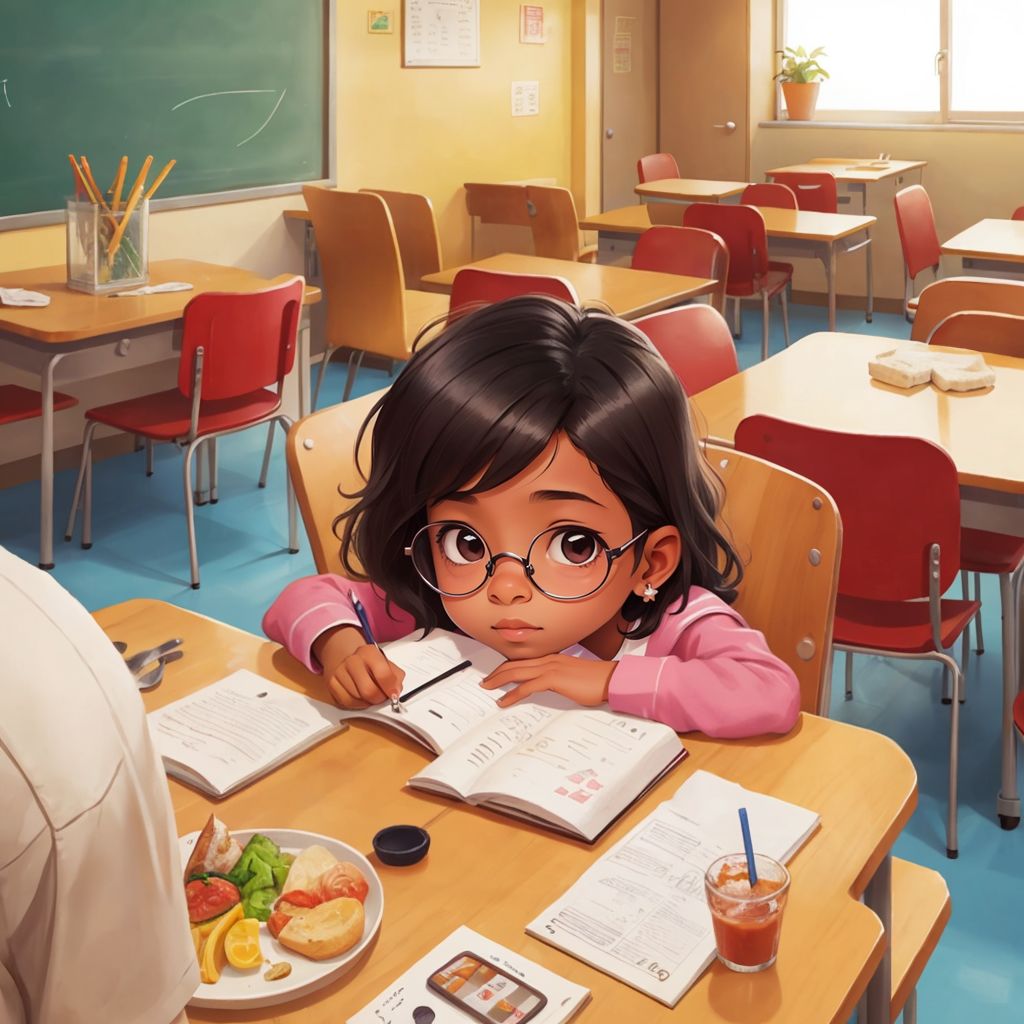
Mia starts at a new school, Greenwood Elementary, feeling nervous and unsure about making friends. At lunch, a girl named Jasmine teases Mia for sitting alone. Mia feels embarrassed and upset as Jasmine continues to bully her about her clothes, interests, and more. Mia notices another student, Ethan, who is also teased by Jasmine for his love of drawing. Mia decides to befriend him, sitting with him during lunch. Mia and Ethan become close friends, supporting each other and ignoring the bullying. Other students start joining them, and the teasing lessens over time. One day, Jasmine approaches Mia and Ethan, asking to sit with them. Mia agrees, showing that kindness can help change even a bully’s heart. Mia learns that standing up to bullying doesn’t always mean confrontation but can be about showing kindness and staying true to oneself. Through her courage, she changes the dynamic in her school, bringing kids together. Ending Message: Mia’s journey teaches the value of kindness, friendship, and the ability to change negative situations with compassion.

Introduction - A general idea of the importance of etiquette in modern society - The history of etiquette: what traditions and customs formed its basis Basic principles of etiquette - Politeness and respect for others - Rules of communication and interaction with people of various social circles - Etiquette in various situations: at work, at social events, in the family, etc. Etiquette in everyday life - Rules of behavior at the table: eating, communication during meals - Rules of communication in social situations: meetings, goodbyes, phone conversations, etc. - Etiquette in public transport, shops, parks and other public places Etiquette in a business environment - Rules of conduct in the workplace: interaction with colleagues, management, subordinates - Business etiquette: rules of negotiation, business meetings, communication with partners and clients Etiquette in family life - Rules of interaction with family members: spouse, children, parents - Etiquette in ce